
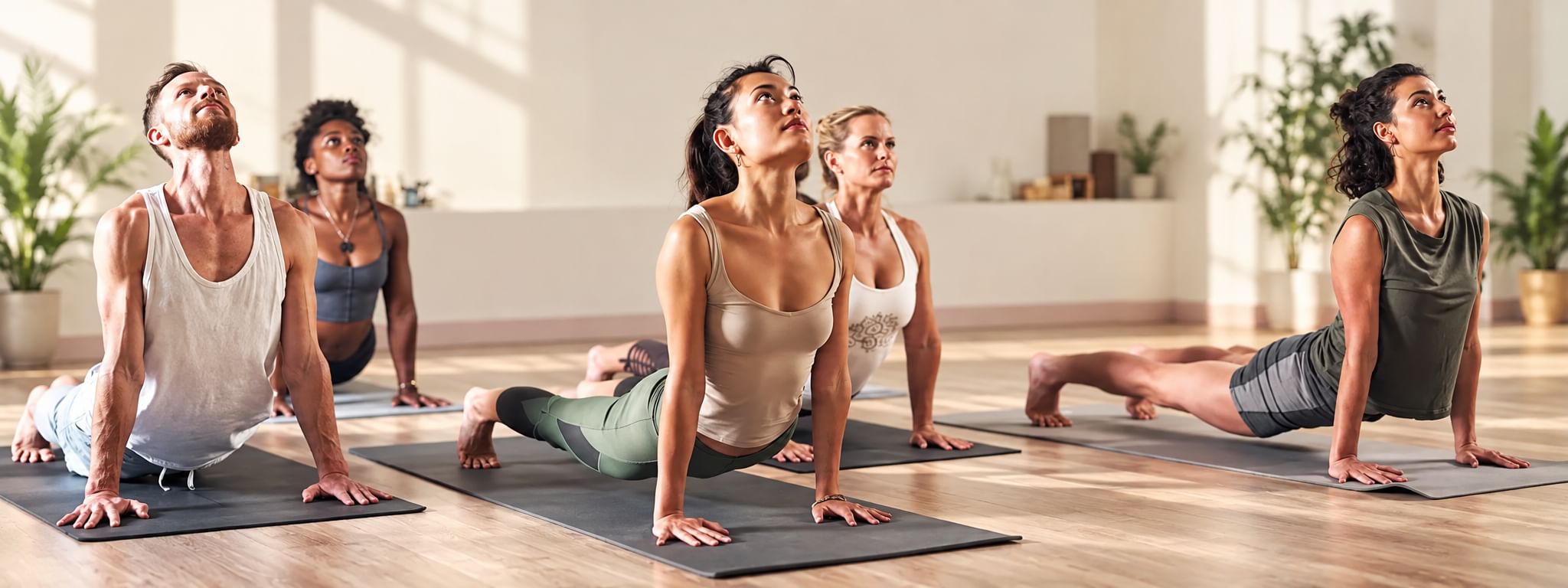
What to Expect at Your First Pilates Class
Walking into your first Pilates class can feel a bit like turning up to a new job on day one - you know it’s meant to be good for you, but you’re not entirely sure what’s going to happen. The good news is that Pilates is designed to meet you where you are. You don’t need to be super flexible, have a dancer’s posture, or know the name of every muscle in your core to get started.
This guide breaks down what a typical first class is like, what you’ll be asked to do, and how to leave feeling confident rather than confused.
The Real Vibe of a First Pilates Class (Spoiler: Not Intimidating)
Most beginner-friendly Pilates classes are calm, welcoming, and more focused on technique than ‘keeping up’. Instructors expect new faces, and a good one will offer plenty of cues like where to place your ribs, how to soften your shoulders, and when to breathe.
You’ll likely notice that Pilates has a different pace to many gym classes. There’s less bouncing around, and more concentration. Think controlled movements, small adjustments, and a surprising amount of effort from positions that look easy.
If you’re nervous about being watched, it helps to know that everyone is usually too busy focusing on their own form to notice yours.
What You’ll Do in Those First Ten Minutes
Your class will normally start with a quick check-in. The instructor may ask if you’re new to Pilates, whether you have any injuries, or if there’s anything they should be aware of (like lower back pain, wrist sensitivity, or pregnancy). Be honest - Pilates can be adapted brilliantly, but only if the instructor knows what you need.
Then you’ll begin with a warm-up that introduces the foundations: Breathing, finding a ‘neutral’ spine position, and engaging your deep core muscles without tensing everything else.
It can feel unfamiliar at first because Pilates isn’t about bracing hard - it’s about support and control. You may hear cues such as ‘zip up through your lower tummy’ or ‘knit the ribs together’. Don’t worry if it doesn’t click instantly. Most people need a few sessions for the sensations to make sense.
The Moves You’re Most Likely to Meet (Without the Jargon)
Beginner Pilates often uses a familiar set of movements, just done with a lot more precision than you might expect. You might do exercises lying on your back, on your side, on hands and knees, and occasionally standing.
Expect variations of: Core stability work, glute and hip strengthening, gentle spine mobility, and shoulder stability. There’s usually some focus on posture too, but not in a stiff ‘stand up straight’ way - more like learning to stack your body so you feel lighter and more supported.
Some exercises will feel surprisingly challenging even though they’re small. That’s normal. Pilates works the deeper muscles that don’t always get targeted in everyday training, and it prioritises alignment over speed.
If you’re curious about the different styles, it’s worth understanding how mat sessions compare to equipment-based training - see Reformer Pilates vs Mat Pilates for a simple breakdown.
What to Wear, What to Bring, and What to Skip
Comfort and movement are the priorities. Most people wear leggings or shorts and a fitted top so the instructor can see your alignment (baggy clothing can hide what your spine and hips are doing). You don’t need anything fancy.
Classes are usually done barefoot or in grippy socks. If the studio doesn’t provide them, it’s worth bringing a pair as they can help you feel stable, especially during standing or plank-style work.
Bring a water bottle, but don’t stress if you don’t drink much during class. Pilates isn’t typically a high-sweat session, though you may be surprised by how warm you get once you’re concentrating and working through controlled sequences.
Avoid heavy meals right before class. A light snack an hour or two beforehand is usually more comfortable, especially for exercises done on your back.
The One Thing Beginners Always Get Wrong About Breathing
If you’ve ever been told to ‘breathe properly’ in a workout and had no idea what that meant, you’re not alone. In Pilates, breathing is a skill you practise, not something you’re expected to perfect immediately.
A lot of instructors teach lateral breathing - expanding the ribcage wide and into the back as you inhale, then maintaining some gentle core support as you exhale. The goal isn’t to hold your breath or suck your stomach in. It’s to coordinate breath with movement so you stay steady and supported.
You may get reminded to breathe more than once. That’s not you failing - it’s simply part of learning a new pattern.
How Hard It Should Feel (And How to Tell If You’re Overdoing It)
A first Pilates class should feel challenging in a focused way, not painful. Expect a sense of muscles switching on in your core, hips, and upper back, and maybe some shaking during holds - that’s common when you’re using stabilising muscles.
What you don’t want is sharp pain, pinching in the lower back, or discomfort that gets worse the longer you continue. If anything feels off, tell the instructor straight away. Pilates is highly adaptable, and a small tweak to range of motion or setup can make a big difference.
Intensity in Pilates is often about control. A tiny leg movement done well can be harder than a big one done with momentum. If you feel like you’re struggling, reducing your range is usually the smarter option.
Equipment You Might Use (Even in a ‘Mat’ Class)
Even mat Pilates often includes props. Don’t let that throw you - they’re there to help you feel the exercise more clearly or to provide support.
Common props include: Resistance bands, small balls, Pilates rings, foam rollers, and blocks or cushions. Sometimes props make an exercise harder, but just as often they make it more accessible, especially if you’re tight in the hips or shoulders.
If you’re doing a studio session, you may also see reformer machines in the space, even if your class isn’t using them that day.
How Instructors Correct You (And Why It’s a Good Sign)
Pilates instructors often give hands-on or close visual corrections because alignment matters. A tiny shift in rib position or pelvic tilt can change which muscles do the work. If you’re corrected, it’s usually because the instructor thinks you’ll benefit quickly.
You can always say if you prefer not to be touched. Most studios are used to this and will cue verbally instead.
Also, don’t be surprised if the instructor gives you a simpler version of an exercise. That isn’t a downgrade. In Pilates, ‘easier’ often means ‘more precise’ - and precision is where results come from.
After-Class Feelings: Soreness, Posture, and That ‘Oh, That’s My Core’ Moment
After your first session, you might feel subtly taller or more open through the chest and shoulders. You may also feel muscles you didn’t realise were involved in ‘just lying down and moving your legs’.
Soreness can happen 24 to 48 hours later, especially around the deep abdominals, glutes, inner thighs, and upper back. It should be mild-to-moderate and fade within a couple of days. Gentle walking and staying hydrated can help.
If you feel wiped out, that’s normal too. Pilates requires concentration and coordination, and mental effort can feel surprisingly tiring.
Simple Tips to Feel Confident Before You Arrive
Arrive 10 minutes early if you can, especially for your first time. It gives you space to set up your mat, mention any injuries, and get comfortable in the room.
Try not to compare yourself to others. Pilates attracts people with all sorts of backgrounds - runners, office workers, weight lifters, new mums, and complete beginners. Many of the strongest-looking people in class are doing smaller movements because they’re prioritising form.
If you want to keep building confidence between classes, you might find it helpful to follow a gentle starter plan like Pilates for beginners so the language and movement patterns feel more familiar each time you go.
By the end of your first Pilates class, you probably won’t feel like an expert - and you don’t need to. If you leave understanding even one or two key ideas (like how to breathe, how to stabilise your pelvis, or how to move with control), you’ve started exactly as you should. Keep showing up, stay curious, and let your body learn the method session by session.