
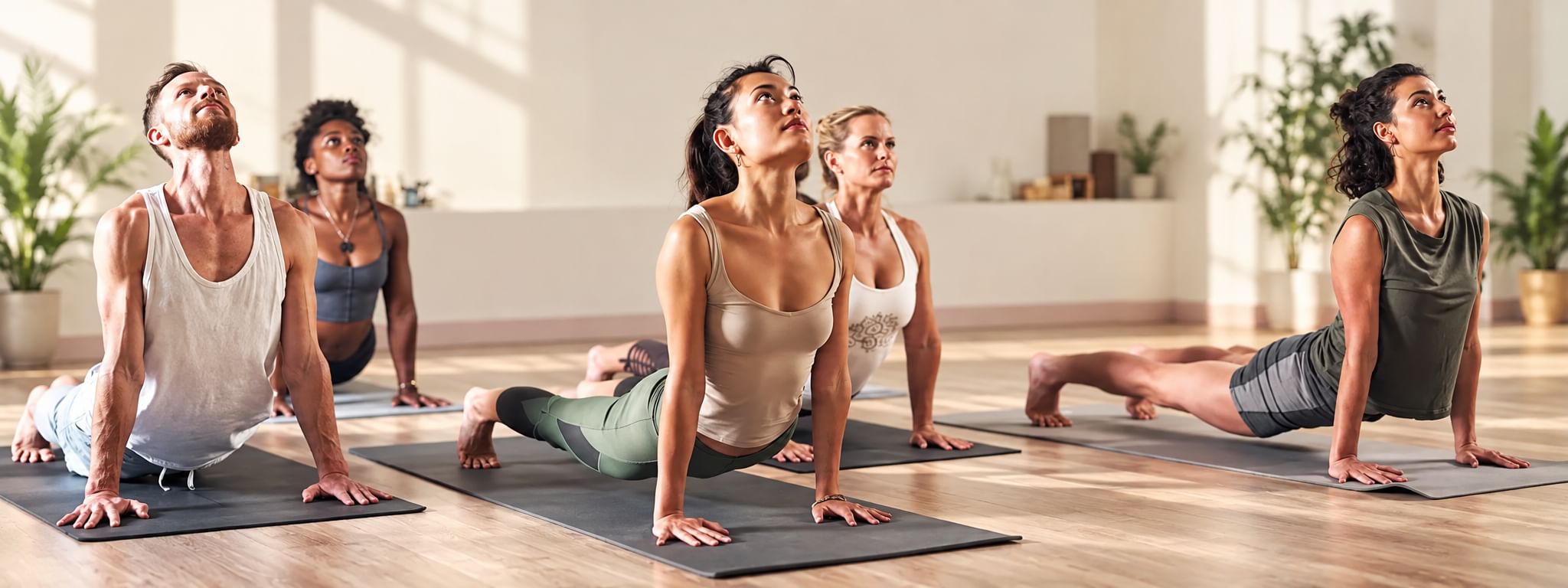
How to Choose a Pilates Studio
Before you compare studios, get clear on what you actually want Pilates to do for you. Are you looking for general strength and mobility, postnatal rebuilding, rehab support, stress relief, or a serious performance boost? A studio that is brilliant for athletic reformer classes may not be the best fit if you need a slower pace and more hands-on guidance.
It also helps to be honest about your learning style. Some people thrive in a lively group setting, while others need quiet focus and close attention to technique. When you know your preferences, it becomes much easier to spot which studios are genuinely suitable rather than simply popular.
Reformer, Mat, or Both - Choose the Style That Fits Your Body and Budget
Not all Pilates is the same, and studios often lean in one direction. Mat Pilates is typically more affordable and relies on bodyweight, small props, and strong cueing. It can be deceptively challenging and is a great foundation if you want to understand alignment and control without relying on equipment.
Reformer Pilates uses a machine with springs that can assist or challenge you. Many people love the feedback it gives and the way it can scale from beginner-friendly to intensely athletic. Reformer sessions are usually pricier, so check whether you will realistically attend often enough for it to be worth it.
If you are unsure, look for a studio that offers a clear beginner pathway across both styles. A ‘start here’ series or a structured intro programme is often a sign the studio takes technique seriously.
Do Not Skip the Instructor Check - It Matters More Than the Studio Aesthetic
A beautiful space is nice, but the instructor is what keeps you safe and progressing. Look for teachers who explain why you are doing something, not just what to do. Good instruction includes options and regressions, especially if you have tight hips, sensitive wrists, a history of back pain, or you are returning to exercise after time off.
If the studio shares instructor bios, scan for depth rather than buzzwords. Experience with beginners, pre and postnatal clients, injury management, and older adults can be a real advantage, even if you are currently fit. It often means the teacher can spot compensations early and correct them in a calm, practical way.
If you want extra support, consider starting with a private session. One hour of tailored guidance can make group classes feel more comfortable and more effective afterwards.
Safety First - How to Spot a Studio That Takes Technique Seriously
A good Pilates studio will feel welcoming but also structured. You should not be thrown into a fast-paced class with no guidance on set-up, springs, or basic principles like neutral spine and breathing.
Pay attention to class sizes. Smaller groups generally mean more individual corrections, which is especially important in reformer classes where set-up and alignment matter. Also notice whether instructors walk around the room, offer tactile or verbal cues appropriately, and give modifications without making it awkward.
Studios that prioritise safety often have clear level descriptions and will advise you if a class is not suitable yet. That is a positive sign, not a barrier.
Pricing That Makes Sense - Compare Memberships, Packs, and Intro Offers Properly
Pilates pricing can be confusing because studios package sessions in different ways. Instead of focusing only on the headline cost, work out your likely monthly spend based on how often you will attend. A cheaper single class is not always better value if the timetable does not suit you and you end up going less.
Intro offers can be helpful, but read what they are actually for. Some are designed for true beginners, while others are more like a discounted trial for regulars. If you are brand new, an offer that includes an assessment or a technique-focused beginner class is usually more useful than jumping straight into mixed-level sessions.
Also check cancellation policies. Life happens, and flexible rules can make it far easier to stay consistent without feeling penalised.
Location and Timetable - The Best Studio Is the One You Will Actually Use
A studio can be perfect on paper, but if getting there is a hassle, it will quietly sabotage your routine. Consider travel time in real conditions, not just on a quiet day. Parking, bike storage, nearby public transport, and class times that match your work and home life can make all the difference.
If you are choosing between two good studios, pick the one that fits your week most naturally. Consistency is where Pilates really pays off.
Studio Vibe and Community - Small Clues That Tell You a Lot
You do not need a studio to feel like a private members’ club, but you should feel comfortable the moment you walk in. Notice the tone at reception, how instructors speak to beginners, and whether the environment feels inclusive.
Cleanliness is also a practical indicator. Well-maintained equipment, fresh-smelling mats, and tidy changing areas usually reflect good overall standards. If the studio seems rushed, cramped, or disorganised, it can affect your experience even if the classes are decent.
A simple way to gauge the vibe is to arrive a few minutes early and observe. Are people stressed and confused, or calm and settled? Those details often reflect how well the studio is run.
Health Considerations - Ask the Right Questions If You Have Pain, Injuries, or Are Pregnant
If you are dealing with an injury, chronic pain, hypermobility, or you are pregnant or postnatal, you deserve a studio that takes your situation seriously. Ask whether they offer pre and postnatal classes, whether instructors can provide modifications confidently, and whether they recommend an initial 1-to-1.
Be wary of any place that brushes off concerns with vague reassurance. Pilates can be brilliant for building strength and stability, but it should be approached thoughtfully. A professional studio will encourage you to share relevant information and will guide you towards the right level rather than pushing you into a trendy class that may be too much too soon.
If you want more background on what to expect in your first sessions, you may find it helpful to read Pilates for Beginners.
Try a Class Like a Pro - What to Look For in Your First Session
Treat your first class as a fact-finding mission. You are not there to be perfect, you are there to see whether the studio’s approach matches what you need.
Notice whether the instructor explains set-up clearly, checks technique, and offers options without making it feel like a performance. You should leave feeling worked, but not wrecked. Mild muscle soreness can be normal, but sharp pain, rushed transitions, or confusion throughout the class are signs the level or teaching style is not right for you.
Afterwards, ask yourself a simple question: could you see yourself doing this twice a week for the next three months? If the answer is yes, you have likely found a strong match. If not, keep looking - the right Pilates studio should feel supportive, structured, and motivating enough to make consistency feel realistic.