
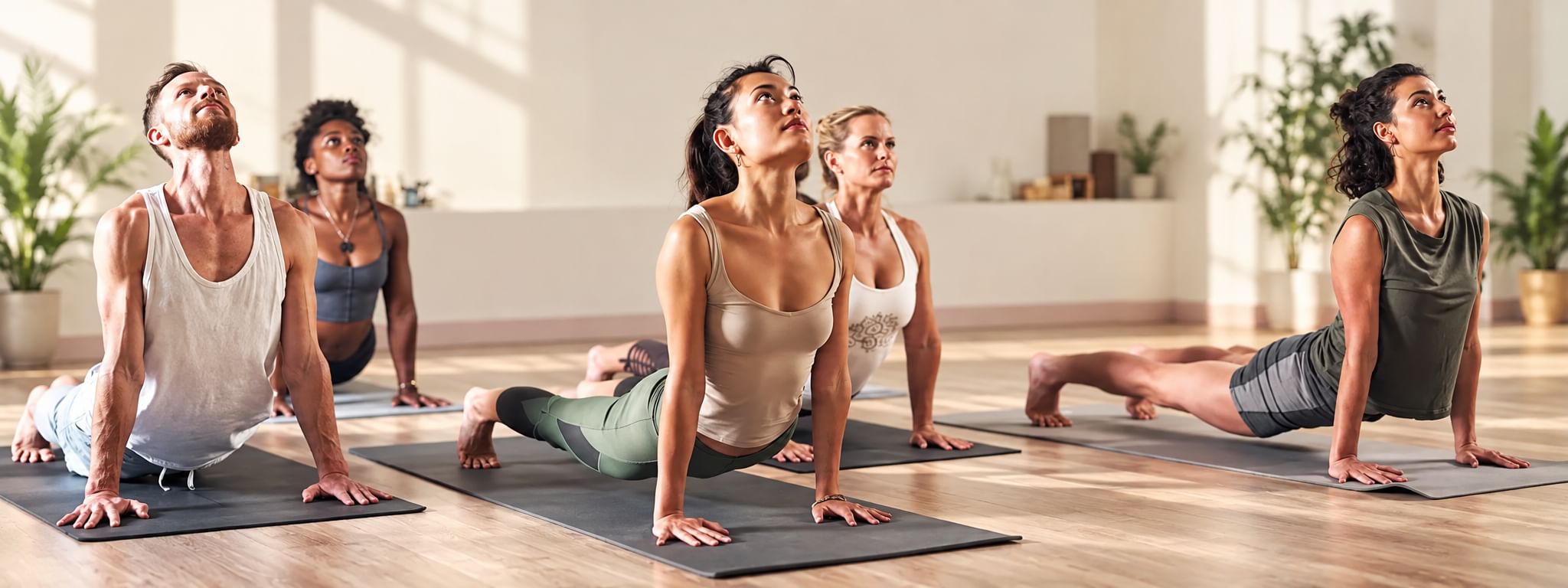
- Start with two non-consecutive daysDo Pilates on two days, for example, Monday and Thursday, to allow recovery.
- Add a third lighter sessionIf you feel good after two weeks, add a third shorter or lighter session at the weekend.
- Keep a full rest dayKeep at least one full rest day each week, especially if you are also training in other ways.
- Prioritise qualityBuild to 3 sessions only if recovery stays smooth, and prioritise good movement over sweating through it.
How Often Should Beginners Do Pilates?
Most beginners do best with Pilates 2 to 3 times per week. That pace is frequent enough to build strength, improve posture and learn the foundations without feeling wiped out or sore for days. If you’re starting from very low activity levels, 1 to 2 sessions weekly is still worthwhile - consistency matters more than intensity early on.
If you already train in other ways (gym, running, sport), Pilates 2 times per week often slots in neatly as a mobility-and-core ‘upgrade’ without overloading your week.
Why Frequency Matters More Than ‘Going Hard’
Pilates is technique-led. The biggest early improvements come from learning how to breathe, brace, align and move with control. Doing it too rarely can make each session feel like you’re starting again, but doing it too often before your body adapts can lead to fatigue and sloppy form - which defeats the point.
Think of it like learning a new skill: a couple of well-spaced practices each week beats one monster session followed by a long break.
Your First 4 Weeks: A Beginner-Friendly Ramp-Up Plan
In the first month, your body is adapting to new demands - deep core engagement, spinal control and stabilising muscles that haven’t had much attention. A gentle ramp-up helps you progress without frustration:
- Week 1 to Week 2: aim for 2 sessions per week, ideally with at least one rest day between.
- Week 3 to Week 4: move to 3 sessions per week if you feel good - not just motivated, but genuinely recovering well.
If 3 sessions feels like a stretch (tight hips, tired lower back, or you’re dreading it), stay at 2 sessions. Progress is not a race.
How Long Should Each Session Be to Actually See Results?
For beginners, 20 to 45 minutes is a sweet spot. Short sessions done with focus are more effective than longer sessions where concentration fades and movement becomes rushed.
Many people do well with two 30-minute sessions in the week, then add a third shorter session (around 20 minutes) as a ‘technique top-up’. If you’re using home workouts, you may find it easier to stay consistent with shorter sessions you can fit in without rearranging your life.
Mat Pilates vs Reformer: Does That Change How Often You Should Go?
Yes, slightly - mainly due to intensity and cost, not because one is ‘better’.
Mat Pilates can be done a bit more often because you can scale it easily and control the challenge. For many beginners, 3 mat sessions per week is realistic.
Reformer sessions can feel more demanding on muscles you don’t usually target. If you’re new, 1 to 2 reformer sessions weekly is plenty at first. Some people combine both - for example, one reformer class and one mat session each week - which gives you variety without overload.
If you’re curious about which style suits your body and goals, you might find our guide useful: Mat Pilates vs Reformer Pilates.
The ‘Right’ Frequency Depends on Your Goal
Two beginners can start Pilates on the same day and need totally different schedules. A better question than ‘How often should I do Pilates?’ is ‘What am I trying to get out of it?’
- Posture and back support: 2 to 3 sessions per week is ideal, with steady progression and plenty of emphasis on control.
- Flexibility and mobility: 2 sessions plus short mobility ‘snacks’ on off-days can work brilliantly.
- Strength and tone: 3 sessions per week tends to deliver faster results, as long as you’re recovering well and eating enough to support training.
- Stress relief: Even 1 to 2 sessions weekly can help, especially if you treat it like protected time rather than another task.
Clear Signs You’re Doing Too Much (and What to Do Instead)
Pilates shouldn’t leave you feeling broken. Mild muscle soreness can happen at the beginning, but it should settle quickly, and you should feel more ‘put together’ after most sessions.
You may be doing too much if you notice:
- Persistent soreness that lasts more than 48 hours.
- Your lower back feels irritated.
- Your neck or shoulders are constantly tense during sessions.
- Your form is deteriorating because you’re rushing to keep up.
In that case, reduce frequency for a week rather than quitting entirely. Drop from 3 sessions to 2, shorten sessions, or choose beginner-focused classes until movement quality comes back. If pain is sharp, worsening, or doesn’t settle with rest, consider speaking with a qualified physiotherapist or an experienced Pilates instructor before pushing on.
What to Do on Non-Pilates Days (So You Progress Faster)
Rest days don’t have to mean doing nothing. They can mean giving your body exactly what it needs to come back stronger.
A light walk, gentle stretching, or a bit of mobility work can keep you moving without interfering with recovery. If you lift weights or run, treat Pilates as a supportive tool - it often pairs well with strength training because it improves control and stability.
If you want an easy rule: avoid stacking your hardest workouts and your hardest Pilates sessions back-to-back at the beginning. Spread the load across the week so you can maintain good technique.
How Soon Will Beginners Notice Results?
Many beginners notice small changes within 2 to 4 weeks - things like better posture, improved awareness of core engagement, and feeling more stable when they stand, walk or train. Visible changes (like muscle definition) often take longer and depend on your starting point, session quality, overall activity and nutrition.
If you’re consistent at 2 to 3 sessions weekly, most people feel a meaningful difference by around 6 to 8 weeks - not because Pilates is magic, but because controlled repetition adds up quickly when you actually stick with it.