
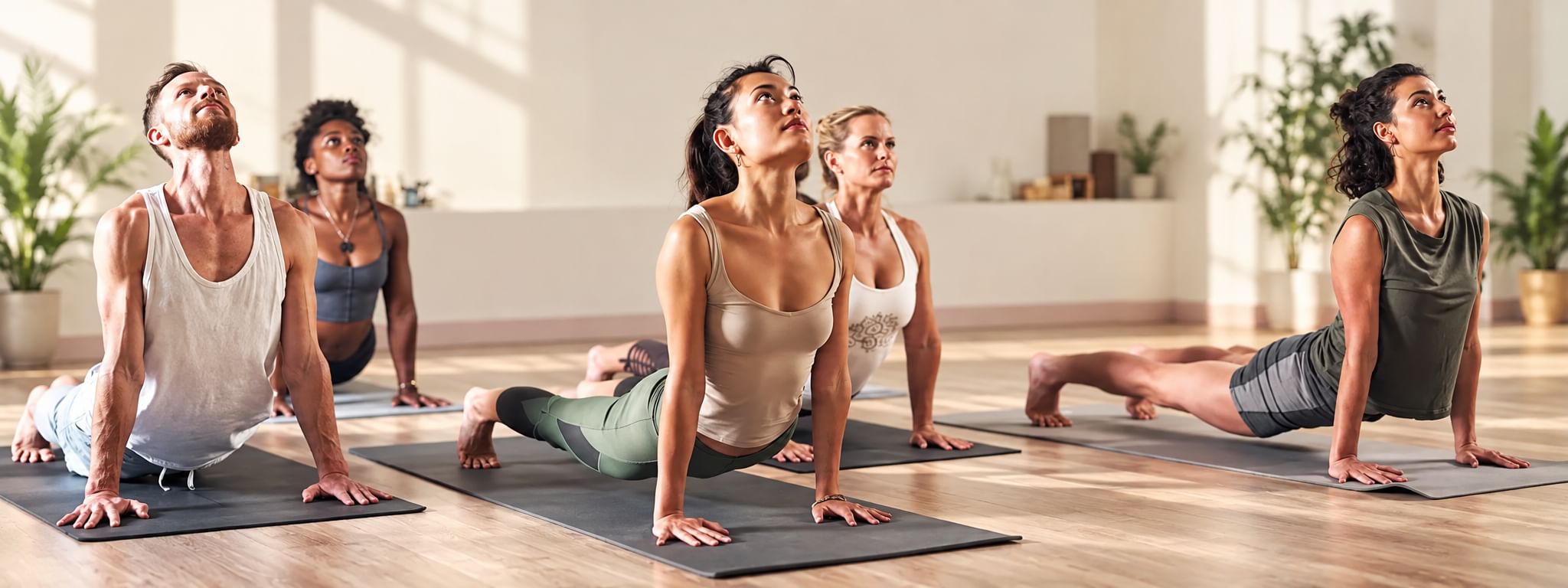
How to Find Pilates Classes Near You
Finding a Pilates class that suits your body, budget, and schedule can feel surprisingly tricky - especially if you are new to Pilates or moving to a new area. The good news is that once you know what to look for (and what to avoid), it becomes much easier to narrow your options and choose a studio you will actually enjoy returning to.
Start With Your Goal - Because ‘Pilates’ Can Mean Very Different Things
Before you search, get clear on what you want from Pilates. Many people type ‘Pilates classes near me’ and assume all sessions are broadly the same. In reality, the style, pace, and teaching approach can vary a lot.
If your priority is core strength and posture, a beginner mat class might be perfect. If you are managing back discomfort, returning after pregnancy, or want more personalised coaching, you may be better suited to small-group reformer sessions or 1-to-1 instruction. If you already train regularly and want more intensity, look for intermediate classes that include progressions and stronger resistance work.
A simple way to decide: think about what you want to feel in 8 to 12 weeks - stronger, more mobile, less stiff, more confident, or just moving more consistently.
Use Smarter Search Terms to Get Better Local Results
A standard search can bring up everything from gyms offering one weekly class to dedicated Pilates studios. Make your search more specific to filter out the noise.
Try phrases that match what you actually want, such as ‘beginner Pilates class’, ‘reformer Pilates’, ‘Pilates for back pain’, or ‘small group Pilates’. Adding your neighbourhood name can help too, especially in larger towns and cities where results otherwise skew towards the centre.
Also check map listings rather than only website results. Studios that rely on local footfall often keep their opening times, phone number, and booking link more up to date on map profiles than on their main website.
Check the Studio’s Teaching Credentials - Not Just the Aesthetic
A beautiful studio and strong social media presence are nice, but your experience will depend on the instructor’s training and how they teach. Look for clear information about qualifications and teaching style. You do not need to become an expert in Pilates certifications, but you should be able to find reassuring detail - not vague claims.
If a site is unclear, it is completely reasonable to message and ask what training their instructors have and which Pilates approach they teach. A professional studio will reply confidently and without defensiveness.
If you want a deeper starting point, read "What is Pilates?" before you book - it can help you understand the difference between mat work, equipment-based sessions, and Pilates-inspired fitness classes.
Spot the Difference Between Mat, Reformer, and Clinical-Style Pilates
One of the biggest reasons people ‘bounce off’ Pilates is booking the wrong type of class for their expectations.
Mat Pilates is often more affordable and accessible, and it can still be challenging - especially when it focuses on control, breathing, and slower tempo. Reformer Pilates uses a machine with springs for resistance and support, which can feel more guided and precise. Some studios also offer clinical-style Pilates (often led by physiotherapists), which may be better suited if you are rehabbing an injury or need close monitoring.
If you are not sure where to begin, ask the studio which class is best for true beginners. A good recommendation usually considers your training background, mobility, and any injuries, rather than pushing you into the most popular option.
Read Reviews Like a Detective (Not a Tourist)
Reviews can be hugely helpful, but only if you know what to look for. A five-star rating is great, yet the comments matter more than the number.
Look for patterns: do people mention clear instruction, helpful corrections, and a welcoming vibe for beginners? Do several reviews say the class felt rushed, overcrowded, or hard to follow? Also pay attention to how the studio responds to negative feedback. A thoughtful response suggests they take member experience seriously.
If you are nervous about being new, search within reviews for words like ‘beginner’, ‘friendly’, ‘explained’, ‘options’, and ‘modifications’. Those are usually better signs than ‘killer burn’ or ‘brutal’, unless that is exactly what you are after.
Compare Pricing Properly - Trial Offers, Class Packs, and Memberships
Pilates pricing varies depending on location, class size, and equipment. Reformer sessions generally cost more than mat classes, and 1-to-1 instruction sits at the top end. The key is to compare like for like.
A cheap class that is packed and hard to follow can be worse value than a slightly pricier small-group session where you get guidance. Many studios offer intro deals, first-class discounts, or short trial periods - these can be an ideal way to test the vibe without committing.
Before you buy anything, check the practical details: expiry dates on class packs, cancellation windows, waitlist rules, and whether you can switch between class types. These small policies can affect how convenient the studio feels week to week.
Ask These Quick Questions Before You Book Your First Session
You do not need a long email exchange, but a couple of quick questions can save you time and stress.
Ask whether the class is suitable for complete beginners, how many people are in a session, and whether the instructor offers hands-on corrections or keeps it verbal only. If you are managing an injury, ask if they can accommodate it and whether they recommend a different class type to start.
If the studio seems reluctant to answer basic questions, or pushes you to book without guidance, that can be a sign they are not focused on the member experience.
Make Location and Timetable Work for the Real You
The ‘best’ Pilates studio is the one you can actually get to consistently. A class that is 15 minutes away might sound close, but think about the full journey at the time you will go - parking, traffic, school runs, and public transport reliability.
Check whether they offer early morning, lunchtime, and evening options. If you are booking around work, look for a studio with multiple sessions across the week so you can still attend if plans change.
If you are debating between two studios, pick the one that makes showing up feel easiest. Consistency beats perfection in Pilates.
Try One Class - Then Decide Using Feel, Not Hype
Your first class should leave you feeling challenged but not overwhelmed. You should understand the basic goal of the movements, feel safely guided, and leave with the sense that you could return next week with more confidence.
Pay attention to the small things: did the instructor learn names, offer options, and explain cues clearly? Did you feel comfortable asking questions? Did the room feel calm and organised rather than chaotic? Those signals usually matter more than whether you were shaking in every exercise.
If you enjoyed the class but felt a little lost, that is normal. Pilates has its own language, and it often clicks more in class two or three. Give yourself a short runway, then reassess.
Explore Online or Hybrid Options If Local Choices Are Limited
If there are not many studios nearby, you still have options. Some teachers offer live online classes where you can get real-time coaching, and some studios offer hybrid memberships that combine in-studio sessions with online libraries.
Online Pilates can be a great supplement even if you attend in person - especially for shorter sessions at home when life gets busy. If you are going online as a complete beginner, choose classes that are clearly labelled for beginners and include setup tips and modifications.
Put Safety and Comfort First - Especially if You Have Pain or Are Returning After Time Off
Pilates can be an excellent way to build strength and control, but it should not feel like you are pushing through sharp pain. If you have persistent pain, are postnatal, or are returning after injury, prioritise a studio that asks about your health background and encourages sensible progression.
A responsible instructor will offer alternatives, suggest lighter resistance, and remind you that you can pause. The right class should make you feel supported, not pressured.
When you search with a clear goal, use specific terms, and choose a studio that prioritises good coaching, finding Pilates classes near you becomes much simpler. Book a taster session, notice how it feels in your body and your routine, then build from there - a steady weekly practice is where Pilates really starts to pay off.