
Private vs Group Pilates Classes: What's the Difference?
Private Pilates classes are one-to-one sessions where the teacher tailors every element to you - your goals, your body, your pace, and what you need on that day. They can be Mat or equipment-based (often using the Reformer, Cadillac, Chair, and small props).
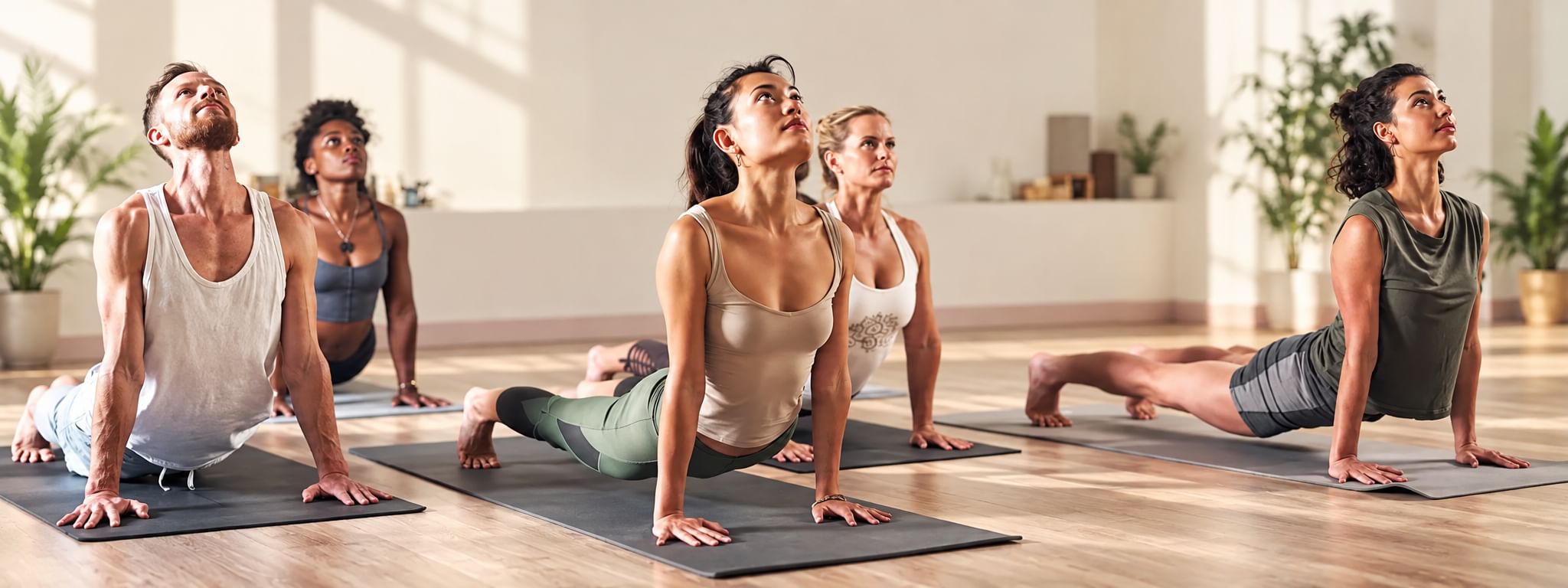
Group Pilates classes are shared sessions (often 6 to 20 people, depending on the studio and whether equipment is involved). The teacher leads everyone through a structured plan, offering general progressions and some individual corrections where possible.
Both can be excellent. The real difference is how personalised the experience is, how much direct feedback you get, and how quickly you can progress safely.
Personalisation Power: How Much Is the Class Built Around You?
If you have a specific goal - stronger core control, better posture at a desk job, returning to exercise after time off, or improving performance for running or football - private sessions give you a level of precision that is hard to match in a group.
In a private class, your teacher can:
- choose exercises that match your ability exactly
- adjust spring settings or prop choices to suit your body
- spend time on the ‘why’ behind your movement patterns
- modify instantly if something doesn’t feel right
In a group class, the plan needs to work for the whole room. A great instructor will still offer options, but the sequence is usually pre-set and time-limited. That can be perfect if you like structure, enjoy moving with others, and want a consistent weekly routine.
Coaching Intensity: Hands-On Corrections vs Shared Attention
One of the biggest practical differences is feedback. In private Pilates, you get near-constant coaching. That means more cueing, more checks on alignment, and more time spent refining the details that make Pilates so effective.
In groups, attention is shared. You’ll still be coached, but you might only get a few direct corrections in a session, especially if numbers are larger. That is not a bad thing - many people learn brilliantly through repeated practice - but if you know you compensate (tight hips, rounded shoulders, or gripping through the lower back), private sessions can help you unpick habits faster.
If you’re new to Pilates, you might find this guide helpful before choosing a class type: What is Pilates?
Progress Speed: Which Option Gets Results Faster?
‘Faster’ depends on your starting point and what you mean by results.
Private classes often accelerate progress because:
- sessions start at the right level, rather than a general level
- technique improves quicker with immediate feedback
- programming can be progressive in a very deliberate way
Group classes can still deliver impressive results, especially if you attend consistently. Many people find that two or three group classes per week beats one private class a fortnight, simply because frequency matters.
A simple way to think about it: private lessons can improve quality quickly, while group classes often build quantity and routine more easily. The sweet spot for many people is a mix - occasional privates to sharpen form, plus groups for regular practice.
Confidence and Comfort: The ‘Everyone’s Watching Me’ Factor
This is a bigger deal than people admit, and it’s completely normal.
If you’re worried about feeling self-conscious, private sessions can be a calmer way to start. You can ask questions freely, pause when you need to, and learn the basics without comparing yourself to anyone else.
On the other hand, some people feel more comfortable in a group because they can blend in. The focus is on the class as a whole, and it can feel less intense than having all attention on you. If you like the energy of others moving around you, group Pilates can be motivating in a way private sessions are not.
Injury History and Specific Needs: When Private Sessions Make More Sense
If you have persistent back or neck pain, are returning post-injury, or have particular mobility limitations, private Pilates is often the safest and most effective starting point. Your teacher can work around flare-ups, build stability gradually, and avoid movements that aggravate symptoms.
The same applies if you’re pregnant or postnatal and want a plan that respects where your body is right now. While some group classes are designed for pregnancy or postnatal recovery, private sessions allow for day-to-day variability, which matters.
If you’re deciding based on pain or recovery, it can help to understand the style first - Mat and Reformer can feel very different: Reformer Pilates vs Mat Pilates
Equipment Access: Reformer in Groups vs Reformer in Private
Mat classes are easier to run in larger groups, which is why they are often the most affordable option. Reformer and equipment Pilates typically have smaller groups because machines take space and require closer supervision.
If you are choosing between a private Reformer session and a group Mat class, you’re not just choosing class size - you are choosing training style. Reformer can offer more support (helpful if you’re building strength carefully), or more resistance (helpful if you want a stronger challenge), depending on how it’s programmed.
If you are curious about what the machine actually does and why it feels so different, read: What is Reformer Pilates?
Cost and Value: What You’re Really Paying For
Private Pilates costs more because you’re paying for time, attention, and personal planning. It’s closer to personal training than a standard fitness class.
Group classes are better value if you want regular sessions and like the accountability of a timetable. They can also be a smart way to explore different instructors and class styles before committing to private sessions.
A useful way to judge value is to ask yourself: Are you paying to exercise, or are you paying to be coached?
If you mainly want a guided workout you can repeat each week, group Pilates may be ideal. If you want coaching to change how you move, private sessions often feel worth the investment.
Social Energy vs Quiet Focus: Which Environment Suits You Best?
Group Pilates brings a sense of community. You get familiar faces, shared effort, and a little social lift that makes it easier to show up on a rainy evening. Many people find they stick to movement habits better when there’s a friendly group dynamic.
Private Pilates is quieter and more focused. It can feel almost like a movement tutorial, with time to explore breath, control, and the small adjustments that make big differences over time. If you love detail and prefer calm, private sessions might suit you better.
How to Choose Without Overthinking It
If you want the simplest decision rule, start with your main priority.
Choose private Pilates if you want:
- highly personalised programming
- faster technique improvement
- support for pain, injury history, pregnancy, or specific goals
- a confidence-building start if you’re nervous
Choose group Pilates if you want:
- a consistent weekly routine
- a more affordable way to practise regularly
- social motivation and class energy
- a general full-body approach you can build on over time
If you’re still unsure, book one of each. A single private session can give you a strong foundation, and then group classes can help you practise what you’ve learned. Over time, you can adjust based on how your body feels, how quickly you’re progressing, and what keeps you coming back - because the best Pilates plan is always the one you can sustain.