
Reformer Pilates vs Mat Pilates: What's the Difference?
Reformer Pilates and Mat Pilates are built on the same core principles - control, alignment, breath, and precision - but they feel very different in practice. One uses a specialised machine with springs for resistance, the other uses your bodyweight (and sometimes small props) on a mat. If you have ever wondered why a Reformer class often costs more, why Mat classes can feel deceptively tough, or which option will help you reach your goals faster, the key lies in how each method loads your muscles and supports your movement.
The good news is you do not have to pick a ‘better’ one. Most people get the best results by choosing the version that matches their body, budget, and schedule right now, then mixing both over time.
The big, real-world difference: equipment, resistance, and feel
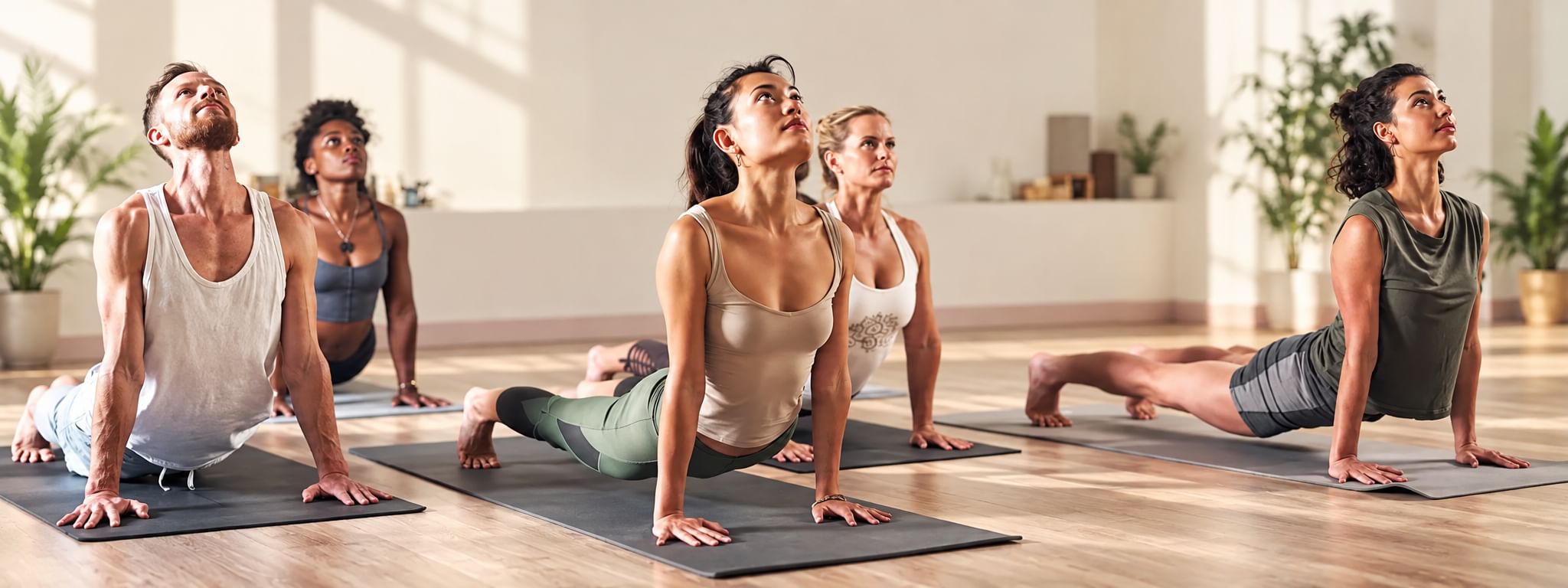
Mat Pilates is done on the floor using a mat as your base. The resistance comes from gravity, leverage, and your own bodyweight. Because the ground is stable and unforgiving, you often notice compensations quickly - a rib flare, a tilted pelvis, tension in the shoulders. It is simple, portable, and surprisingly challenging when taught well.
Reformer Pilates uses a Reformer machine - a moving carriage, springs, ropes, and a footbar. Springs create adjustable resistance and, importantly, adjustable assistance. That means the Reformer can make certain movements easier to access with control (useful if you are rehabbing or building confidence), or significantly harder by increasing load and complexity.
In plain terms:
- Mat Pilates tends to feel like ‘owning’ your bodyweight with excellent technique.
- Reformer Pilates tends to feel like strength training with precision and support.
Muscle building and toning: which is more effective?
If your goal is to build strength, the Reformer often delivers faster, more noticeable strength gains because spring resistance can be progressed in clear steps. You can load the legs, back, and glutes more heavily than you typically can on a mat, and you can do it while staying aligned.
Mat Pilates can absolutely develop strength and definition, but it usually relies on longer time under tension, smart sequencing, and challenging leverage positions. A strong Mat class can leave you shaking - not because it is light, but because the demands on stability and control are high.
A useful way to think about it: Reformer tends to scale like weights in the gym, while Mat tends to scale like advanced calisthenics - both build strength, just through different routes.
Core strength and posture: who wins here?
Both methods train the core, but they emphasise it differently.
Mat Pilates often pushes deep core endurance because you cannot ‘lean’ on equipment. Moves like roll-ups, leg lowers, and plank variations demand that your trunk stays organised against gravity. It can be brilliant for building awareness of ribcage and pelvis positioning - the foundation for better posture.
Reformer Pilates is excellent for integrating core control into full-body strength patterns. Because the carriage moves, you constantly manage instability, and springs challenge you through a range of motion. Many people feel they can connect to their core more easily on the Reformer at first, especially if mat-based abdominal work tends to dominate their hip flexors or neck.
If posture is your priority, either works - the bigger deciding factor is coaching. A skilled instructor (and a class size that allows feedback) is what turns ‘exercise’ into posture change.
Flexibility and mobility: what you can expect
Mat Pilates improves mobility through controlled articulation and active stretching. You learn to move each part of the spine with intention, and you often build usable flexibility by strengthening at end ranges, not just pulling into stretches.
Reformer Pilates can feel more ‘stretchy’ because the machine supports you into longer lines - think hamstring and hip opening work with straps, or supported spinal movement. That support can be helpful if you are tight, new to exercise, or returning after time off, because it lets you explore range without gripping or bracing.
Neither method is a magic fix for flexibility. Consistency matters more than the format, and mobility improvements are usually quickest when you pair stretching with strength.
Weight loss: can Pilates help, and does Reformer burn more?
Pilates can support fat loss as part of a wider routine, but it is not typically a high-calorie burn compared with running, spinning, or vigorous circuits. That said, Pilates is often more sustainable - and sustainability is what drives results.
Reformer classes can burn a bit more than Mat because they may include more continuous full-body work and higher resistance. However, the difference is not always huge, and the real advantage is that Reformer can help you build strength, which supports long-term body composition changes.
If weight loss is your goal, Pilates works best alongside walking, a sensible nutrition plan, and enough protein and sleep. Many people find Pilates helps them stay consistent because it makes their body feel better, not battered.
Injuries, back pain, and rehab: which is safer?
Safety depends on your instructor and your specific issue, but the Reformer has a clear advantage for many beginners and rehab clients: springs can assist movement and reduce joint loading. For example, you might be able to strengthen legs and glutes without aggravating knees, or work core control without straining your neck.
Mat Pilates can also be excellent for back health, but it can be less forgiving if you do not yet have the strength or control for certain positions. Some classic mat exercises are not appropriate for everyone, especially early on or during flare-ups, and modifications matter.
If you are dealing with pain, returning after pregnancy, or managing an injury, consider starting with 1: 1 sessions or small-group classes. You might also find it helpful to read our guide to Pilates for beginners before choosing your first class style.
Price and accessibility: the practical reasons people choose one over the other
Mat Pilates is usually more affordable and easier to access. You can do it at home with minimal kit, making it ideal if you want consistency without relying on studio timetables. It also travels well - once you know the fundamentals, a mat routine can slot into lunch breaks, holidays, or busy weeks.
Reformer Pilates costs more because equipment is expensive, studios need more space, and class sizes are often smaller. The upside is a premium coaching environment and more options for progression through resistance.
If cost is a concern, a smart approach is to use Mat as your base habit, then add a Reformer class weekly or fortnightly for strength progression and variety.
What a typical class actually feels like (so you can picture it)
In a Mat class, expect sequences that move from breathing and spinal mobility into core-focused work, glute strength, side-lying series, and often a stretch finish. You are likely to feel a deep burn in the abdominals, inner thighs, and glutes if the programming is strong.
In a Reformer class, expect footwork on the carriage, strap work for legs and arms, planks and pikes with the moving carriage, and flowing transitions that keep you engaged. Many people feel Reformer more in the legs and back as well as the core, especially when springs are loaded.
Both should leave you feeling taller, more organised through the trunk, and pleasantly worked - not wrecked.
Choosing the right option for your goal: a simple way to decide
If you want to build strength quickly, enjoy structured progression, or like the idea of guided resistance training, Reformer is often the better match.
If you want a lower-cost routine you can do anywhere, want to master fundamentals, or prefer a slower pace where you can focus on technique, Mat is a strong choice.
If you are stuck deciding, start with the one you are most likely to attend consistently for the next eight weeks. Progress in Pilates is less about the method and more about showing up, paying attention, and building skill over time.
Getting the best of both: the combination that works for most people
A balanced approach is often the sweet spot: Mat to build body awareness, control, and a dependable weekly habit, and Reformer to add progressive resistance and keep strength gains moving. Even one session of each per week can be enough to feel a meaningful difference in posture, core control, and how your body performs in everyday life.
If you would like help mapping out a realistic schedule, our Pilates workouts page can give you ideas for mixing formats without overcomplicating your week.
Whichever route you take, aim for quality instruction, steady progression, and patience. Pilates rewards consistency - and once the fundamentals click, both Mat and Reformer become tools you can use for years, not just a short-term fitness phase.