
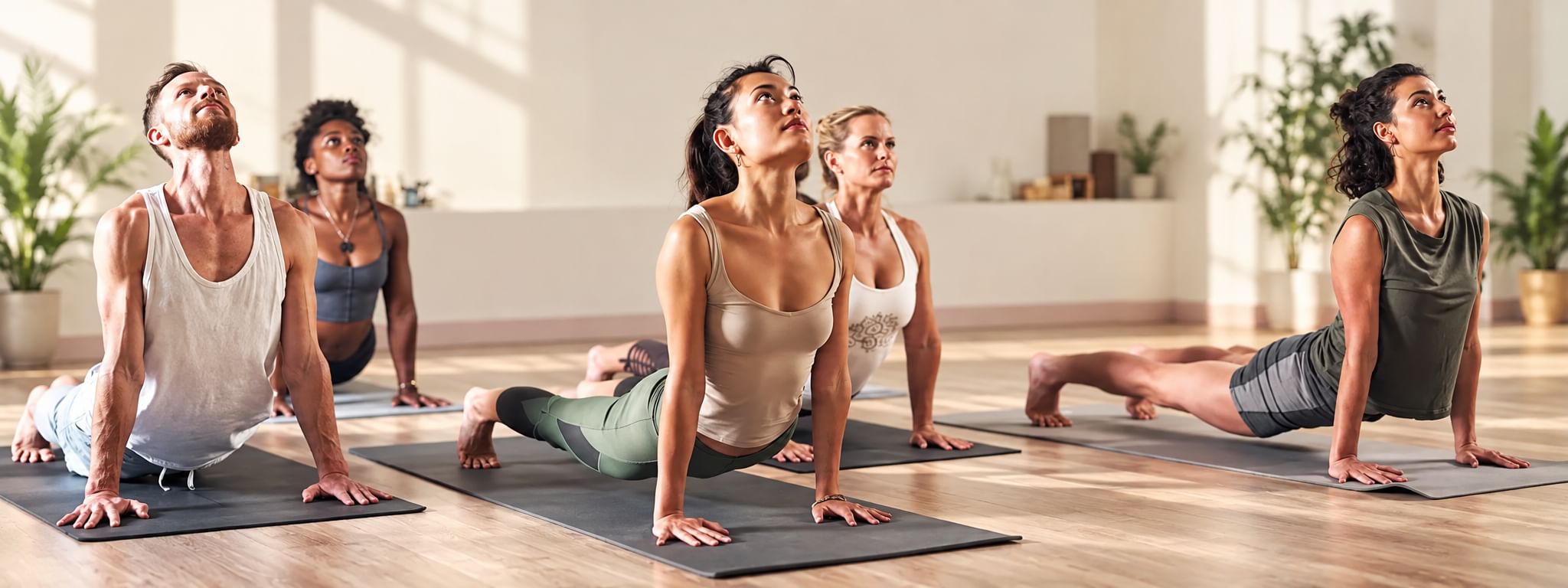
How Much Do Pilates Classes Cost?
Pilates class costs can look all over the place because you are not just paying for ‘an hour on a mat’. Price is shaped by where you live, the type of session (mat or reformer), whether it is a group or one-to-one, and how specialist the instructor and equipment are. A small community studio in a market town will often charge less than a boutique reformer space in central London, and private clinical-style sessions can cost more again.
As a rough guide, most people in the United Kingdom will see mat classes as the budget-friendly option, reformer classes as mid-to-premium, and one-to-one sessions as the highest priced - but also the most tailored.
The real-world price ranges: what most people pay in 2026
In 2026, typical prices for Pilates in the United Kingdom commonly fall into these ranges:
A drop-in group mat Pilates class is often around £10 to £20, with some areas a little lower and city centres higher. Group reformer Pilates tends to sit higher because of equipment costs and smaller class sizes, usually around £20 to £35 per session. Private Pilates sessions commonly start around £45 to £70 per hour and can rise to £90 to £120 in premium locations or when you are working with a highly specialised instructor.
Semi-private sessions (for example two people sharing) often land in the middle - you get more coaching than a big group class, but you split some of the cost.
Mat vs reformer: the biggest price driver you will notice
Mat Pilates is usually cheaper because the studio overheads are lower - you need space, mats, and perhaps small props like bands or blocks. Reformer Pilates uses large equipment that is expensive to buy and maintain, and studios often keep reformer classes smaller for safety and quality. That combination pushes the price up.
If your main goal is general core strength, posture, and mobility, mat classes can be excellent value. If you want more resistance work, more guidance from the apparatus, or you simply prefer the feel of it, reformer can be worth the extra cost - just expect to pay for that experience.
Group classes, memberships, and class packs: how to pay less per session
Drop-in pricing is convenient, but it is rarely the best value if you plan to attend regularly. Many studios offer class packs (for example 5 or 10 sessions) that reduce the per-class cost, and some provide monthly memberships that work best if you can commit to a consistent routine.
A membership might make a £18 class effectively closer to £14 to £16 if you attend weekly, but only if you actually go. If your schedule is unpredictable, a smaller pack can be a safer choice than a big monthly direct debit.
Location matters: London vs regional pricing
Geography makes a noticeable difference. In larger cities - especially London - studio rents and staffing costs tend to be higher, which shows up in class prices. In smaller towns, community centres and multi-use fitness spaces can keep overheads down, and prices often follow.
That said, price is not a guarantee of quality. You can find excellent, well-coached mat Pilates outside major cities at very fair rates, and you can also find expensive classes that are more ‘fitness vibe’ than truly coached movement. It is worth trying a couple of options before committing.
Instructor experience and specialisms: when paying more can make sense
A newly qualified instructor might charge less, while an experienced teacher with additional training (for example pre and postnatal Pilates, lower back pain support, or rehabilitation-focused Pilates) may charge more. You are often paying for sharper observation, better cueing, and more effective modifications.
If you have pain, a history of injury, or you are returning to exercise after a long break, a slightly higher price can be good value if it helps you move safely and progress faster. If you are deciding between a private Pilates session and a physio-led approach, it can help to compare what each offers and how your instructor works. If you are also exploring other mind-body options, you might find it useful to read our guide on Pilates vs Yoga: What's the Difference?.
Private sessions: what you get for the higher price
Private Pilates sessions cost more because they are fully tailored. The instructor can focus on your movement patterns, breathing, alignment, and goals without the distractions of a group setting. You will usually get:
More hands-on coaching (where appropriate), clearer progressions, and modifications designed for your body, not the average attendee. Many people use privates to build confidence, learn technique, and then move into cheaper group classes once they feel comfortable.
If you are cost-conscious, a popular strategy is doing one private session every month or two, while attending weekly group classes in between.
Online Pilates classes: cheaper, but not always ‘easier’
Online Pilates can be excellent value. Live online group classes are commonly cheaper than in-studio sessions, and on-demand subscriptions can work out at only a few pounds per class if you use them regularly.
The trade-off is feedback. Without an instructor in the room, it is easier to miss small alignment issues, especially if you are new. If you want to keep costs down while staying safe, consider starting with a few in-person classes, then using online sessions to top up your weekly routine.
Hidden costs to watch for before you book
The class price is not always the full cost. Some studios charge separately for grip socks for reformer sessions, and others have late-cancellation policies that mean you pay if you miss a booking window. Intro offers can be great, but check what the standard pricing becomes afterwards so you are not surprised in month two.
Also consider practicality costs - travel, parking, and how easy it is to attend consistently. A slightly more expensive studio that you can actually get to may be better value than a cheaper one you keep skipping.
Smart ways to choose a class without overpaying
The best-value Pilates is the class you can attend consistently and safely. If you are new, a beginner-friendly mat class is often the most cost-effective start. If you love reformer, look for a starter pack or an off-peak timetable to reduce the per-session cost. If you have specific needs (pain, pregnancy, recovering from injury), budgeting for at least one private session can prevent frustration and help you get more from every group class you take afterwards.
Pilates pricing in the United Kingdom is broad, but once you match the format to your goals and your routine, it becomes much easier to spot genuine value - and to build a practice you will actually stick with.