
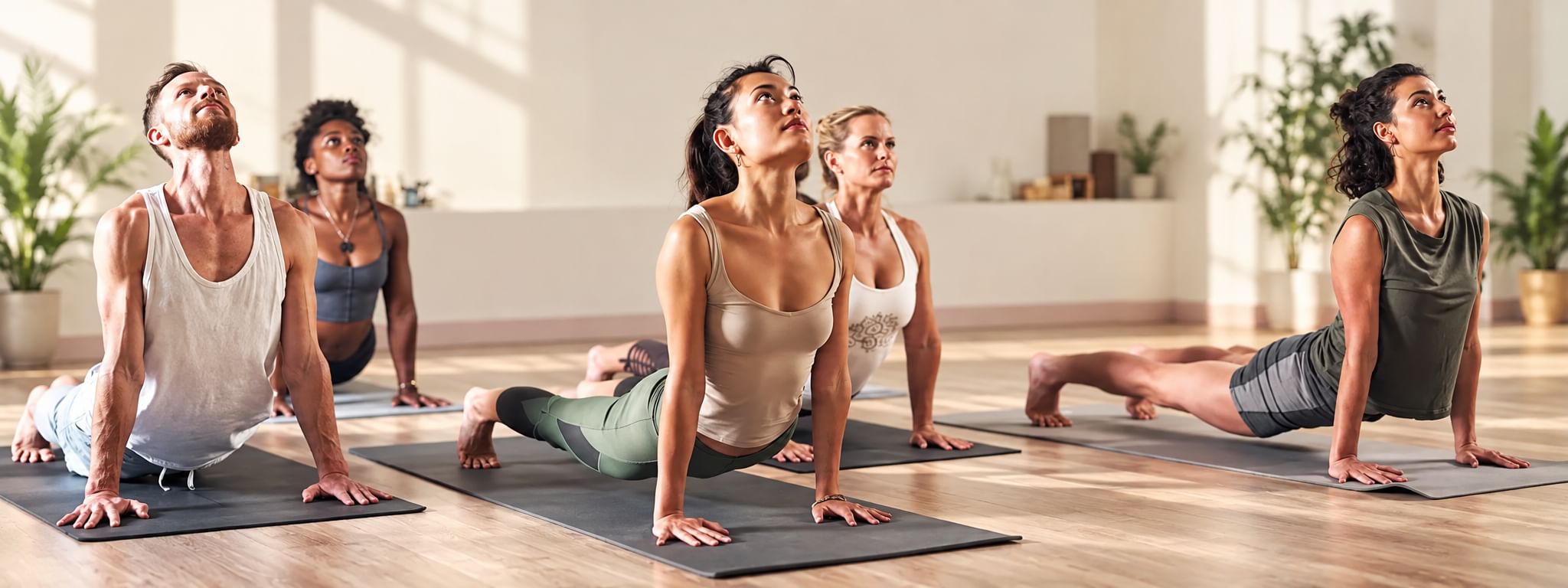
What to Bring to a Pilates Class
Walking into your first Pilates class can feel a bit like turning up to a new job on day one - you want to be comfortable, prepared, and not faffing about with the wrong kit. The good news is Pilates is refreshingly low-maintenance. Bring a few essentials, arrive a little early, and you will be able to focus on what actually matters: moving well, breathing properly, and getting more from every exercise.
The Non-Negotiables: What You Actually Need for Pilates
Most studios keep things simple, and so should you. For the majority of mat-based Pilates classes, the essentials are: comfortable clothes you can move in, grippy socks (or bare feet), water, and a small towel.
If you are going to a reformer class, the same basics apply, but grippy socks become much more important for safety and control on the moving carriage.
Clothing That Moves With You (Without Riding Up)
Pilates involves a lot of controlled movement, rolling through the spine, and positions where you are on your side or back. Choose fitted, stretchy clothing that stays put - think leggings or shorts and a close-fitting top.
Baggy tops can slide up when you invert or roll, and overly loose bottoms can make it harder for an instructor to check your alignment. That does not mean you need ‘tiny gym clothes’, just something that will not twist, billow, or distract you mid-session.
If you are unsure, aim for layers. A light jumper or zip-up is handy at the start when you are warming up, especially in cooler months.
Grippy Socks vs Bare Feet: The Simple Rule
Some mat Pilates classes allow bare feet, but many studios prefer grippy socks for hygiene and traction, particularly if the flooring is smooth. For reformer Pilates, grippy socks are often required because they help prevent slipping when you are pushing off the footbar or standing on the carriage.
If you are buying a pair specifically for class, look for socks with grips across the ball of the foot and heel, and a snug fit so they do not bunch up.
Water and a Small Towel (Yes, Even If It ‘Doesn’t Seem Sweaty’)
Pilates is not always drenched-in-sweat cardio, but it can be surprisingly challenging, especially when you are new or the class is more athletic. A water bottle is always worth bringing, even if you only take a few sips.
A small towel is useful for wiping hands, drying your face, or placing under your head for comfort if you are sensitive on certain exercises. If you are heading straight from work or running errands after, it is also just a nice-to-have for feeling fresh.
The Mat Question: Should You Bring Your Own?
Many studios provide mats, but not all do, and some people prefer their own for comfort and cleanliness. If you are attending a mat class in a community hall or shared fitness space, bringing your own mat is more likely to be expected.
If you do bring a mat, choose one that is slightly thicker than a standard yoga mat if you need extra cushioning for spine work. Pilates often includes rolling, seated balance, and pressure on the tailbone, so a bit of padding can make a big difference.
If you are not sure what your studio prefers, check their class page or booking confirmation. If you want a general guide to choosing supportive kit, you might find our Pilates equipment guide helpful.
Little Comfort Boosters: Props Worth Bringing (But Only If You Want To)
Studios often have props available - blocks, small balls, resistance bands, or Pilates rings - so you usually do not need to bring your own. That said, a couple of personal items can make you more comfortable, especially when you are still getting used to the movements.
A light resistance band is handy if you do home sessions as well as classes. A small head cushion or folded towel can help if you find neck positions uncomfortable. If you have sensitive knees, knee pads or even a folded towel can help during kneeling sequences.
None of these are essential, so do not feel pressured to show up with a full kit bag on day one.
Hair Ties, Minimal Jewellery, and the ‘No Distractions’ Rule
If you have longer hair, bring a hair tie - you will spend time lying on your back and side, and hair under your neck can get annoying quickly.
Keep jewellery minimal. Big hoops, long necklaces, or bulky bracelets can dig in during floor work or catch when you are moving your arms. Rings are usually fine, but if they feel tight or get uncomfortable with gripping, it is better to leave them at home.
What to Expect for Reformer Pilates: A Quick Heads-Up
Reformer Pilates can feel more ‘technical’ because you are using a machine with springs, straps, and a moving platform. You do not need to bring anything extra beyond the basics, but a couple of small choices will make your session smoother.
Wear clothes without zips or hard bits that could press into your spine when lying down. Grippy socks are strongly recommended, and often mandatory. Arriving a few minutes early helps because instructors typically adjust the machine for your height and explain how to move safely.
If you are curious about how reformer compares to mat sessions, you can also read our Reformer Pilates vs mat Pilates breakdown.
The Smart Extras: What to Pack If You’re Coming From Work or Travelling
If you are heading straight from the office or fitting a class into a busy day, a few extras can keep you comfortable without overpacking.
A spare top is useful if you prefer not to wear your exercise clothes home. Deodorant and face wipes are handy if there are limited changing facilities. If you use public transport, a light layer for afterwards helps because you might cool down quickly after class.
You do not need a massive gym bag - Pilates is one of the easiest workouts to pack for - but being prepared can stop the post-class scramble.
The One Thing You Should Bring Every Time: The Right Mindset
Pilates rewards patience. The first few classes can feel detailed, and you might hear cues about breathing, pelvis position, rib placement, and shoulder control that sound oddly specific. That is normal, and it is also why it works.
Bring a willingness to move slowly, ask questions, and take options when offered. If something feels painful (not just challenging), tell the instructor straight away. Everyone starts somewhere, and Pilates is all about building control over time, not forcing your way through a sequence.
With comfortable clothing, grippy socks, a drink, and a little openness to learning, you will have everything you need to settle in quickly and get the most out of your class.