
Types of Pilates Classes Explained
Pilates can look very different from one studio to the next, which is brilliant when you’re trying to find a class that fits your body, goals, and schedule. Some sessions are calm and technique-heavy, others feel more like a full-body workout, and a few are designed specifically for rehab, pregnancy, or athletes. Understanding the main types of Pilates classes makes it far easier to choose the right starting point and avoid paying for a class that doesn’t match what you actually need.
The Classic: Mat Pilates That Builds Real Foundations
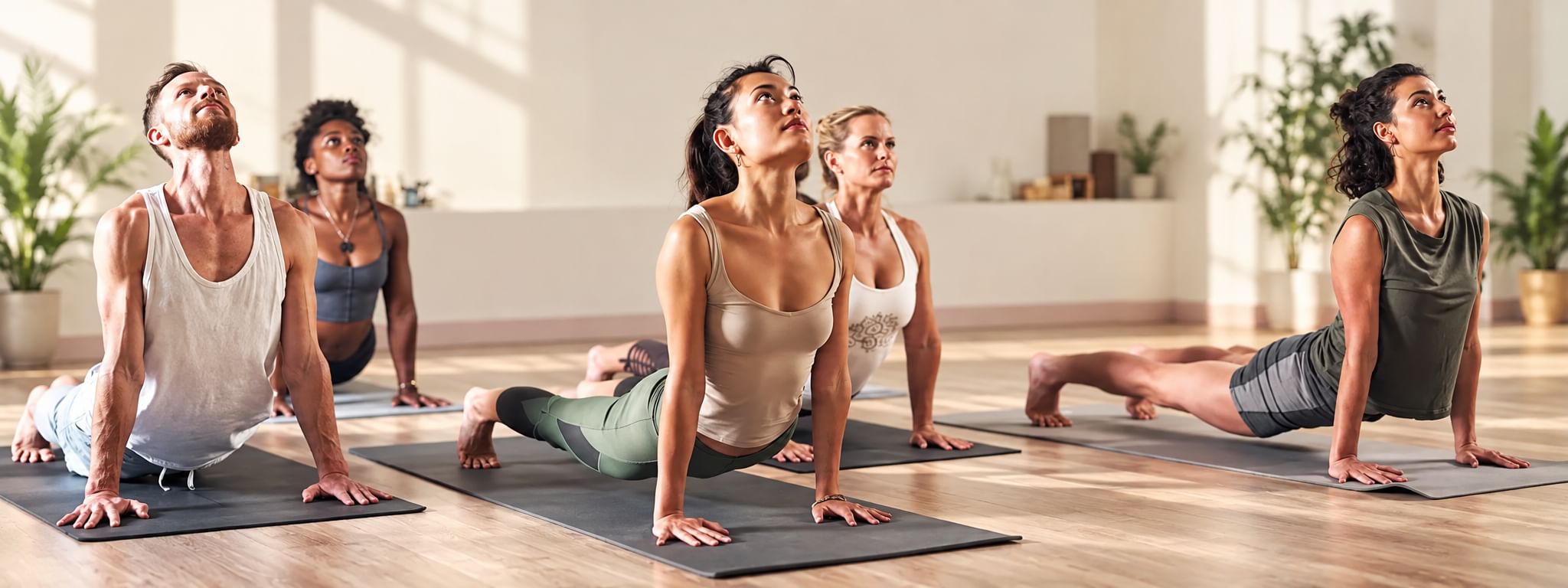
Mat Pilates is the most familiar format and, for many people, the best place to begin. Everything happens on a mat, using your body weight for resistance, sometimes with small props such as a resistance band or soft ball. Because there’s less equipment doing the ‘supporting’, mat classes often put a spotlight on technique - breathing, alignment, core control, and moving with intention.
A good mat class can be surprisingly challenging, especially when the instructor layers progressions (for example, adding leg levers or longer holds). If you want something you can repeat at home between studio sessions, mat Pilates is also the easiest to practise independently once you’ve learnt the basics.
The Game-Changer: Reformer Pilates for Support and Strength
Reformer Pilates uses a bed-like machine with a sliding carriage and springs that adjust resistance. It’s popular for a reason: it can make some movements more accessible (because the carriage supports you) while making others much tougher (because the springs add load). That flexibility means reformer classes can work well for beginners and advanced clients in the same room - as long as the teaching is strong.
Expect a more ‘training’ feel than many mat classes: controlled pushing and pulling, lots of lower-body and glute work, and a strong focus on core stability. If you like the idea of measurable progress - changing spring settings, improving range of motion, refining control - reformer is often the most satisfying route.
If you’re weighing up which style fits you best, you might find it helpful to compare Mat vs Reformer Pilates before booking.
The Hidden Gem: Tower and Cadillac Classes That Deepen Control
Tower and Cadillac Pilates are studio-based formats that use a larger frame with springs, bars, and straps. You’ll sometimes hear these described as more ‘traditional studio Pilates’, and they’re excellent for learning precision because the equipment can guide your movement pathway.
These sessions can feel less fast-paced than reformer classes, but don’t mistake that for easy. The spring resistance exposes compensation quickly, which is exactly why many instructors love using tower work to improve shoulder stability, spinal mobility, and overall body awareness.
The Small-Group Favourite: Clinical Pilates That Prioritises Your Body
Clinical Pilates is usually delivered by a physiotherapist or a specially trained professional and is geared towards injury management, pain reduction, and safe rebuilding of strength. You’re more likely to see it recommended for persistent back pain, post-injury rehab, or when you need close supervision and tailored progressions.
The vibe is often calmer and more individualised than a general fitness class. You may still use reformer or other studio equipment, but the goal is less about ‘burn’ and more about improved function - moving better in daily life, returning to sport, or building stability where you need it most.
The Low-Impact Sweat Session: Athletic and Power Pilates
Power Pilates (sometimes called Athletic Pilates) keeps the method’s core principles but turns up the intensity. You’ll often see faster transitions, longer sequences, and a bigger emphasis on strength and stamina - particularly for glutes, legs, shoulders, and deep core.
This style tends to suit people who already have decent body awareness and want something that feels closer to a workout than a technique lesson. If you’re new to Pilates, it can still work, but you’ll get more from it after learning the basics in a slower class first.
The Mind-Body Blend: Contemporary Pilates and Fusion Formats
Contemporary Pilates classes vary widely because they’re influenced by modern exercise science and other training styles. Some sessions feel close to classical Pilates, while others blend in mobility work, light weights, or elements of yoga-inspired stretching.
Fusion formats can be fun, and they can be effective, but they’re not all created equal. If your main goal is to improve posture, reduce aches, or build a rock-solid core, you’ll want an instructor who still teaches Pilates fundamentals rather than rushing through movement for the sake of intensity.
The Supportive Path: Pre and Postnatal Pilates That Protects Your Core
Pre and postnatal Pilates is designed around the realities of pregnancy and recovery - changing balance, pelvic floor demands, breathing mechanics, and abdominal pressure management. A quality class will offer clear options for each trimester, encourage rest when needed, and avoid cues that overload the midline.
Postnatal sessions should focus on rebuilding from the inside out: breath, pelvic floor coordination, gentle deep core activation, and gradual strengthening of hips and upper back (often sore from feeding and carrying). If you’re returning after birth, it’s worth prioritising specialist instruction rather than a general class with a few ‘pregnancy-safe’ modifications.
The Calm Reset: Gentle Pilates for Mobility, Posture, and Confidence
Gentle Pilates classes are slower, lower intensity, and often more focused on mobility and alignment than burn. They’re ideal if you’re stiff, deconditioned, older, managing stress, or simply want a safer entry point. The best gentle classes still feel purposeful - not just stretching, but controlled movement that restores confidence and improves how you carry yourself day to day.
If you sit for work or feel ‘tight everywhere’, gentle Pilates can be one of the quickest ways to notice everyday improvements, like easier walking, better sleep, and less neck and shoulder tension.
The Personalised Option: Private 1-to-1 Pilates That Accelerates Progress
Private sessions are the fastest way to improve technique because the instructor can tailor everything - exercise selection, pace, equipment settings, and cues - to your body. This can be especially valuable if you’ve tried group classes and felt lost, or if you have a specific goal such as improving running mechanics, managing back pain, or building strength safely.
They’re also a smart choice if you’re short on time. A well-programmed 45-minute private can sometimes achieve more than multiple group classes where you’re waiting for set-ups or following a pace that doesn’t match your needs.
The Smart Way to Choose: Matching Class Types to Your Goal
If your priority is learning the method properly, start with a beginner mat or beginner reformer class where the instructor teaches breathing, core engagement, and alignment without rushing. If you want strength with lower impact, reformer is often the most adaptable option. If you’re managing an injury or pain, clinical Pilates or a private session can help you build capacity safely. And if you’re already comfortable with Pilates basics and want more intensity, power or athletic Pilates can feel like the upgrade you’ve been craving.
Pilates works best when it meets you where you are and grows with you. Pick a class type that suits your body today, and you’ll have far more confidence - and far better results - as you progress.