What to Wear to a Pilates Class
Pilates looks gentle from the outside, but the moment you start moving through roll-ups, planks, and controlled leg work, you realise what you wear can either help or distract you. The right outfit lets you move freely, keeps you comfortable as you warm up, and helps your instructor spot your alignment - which is a big part of getting results safely.
Whether you’re heading to a mat class in a studio or trying reformer Pilates for the first time, aim for clothing that feels secure, flexible, and breathable rather than baggy or overly rigid.
The Golden Rule: Fitted, Stretchy, and Not Distracting
Pilates is all about precision. Your teacher may cue your ribcage position, pelvis tilt, or knee tracking, and that’s much easier when your clothing doesn’t flap, ride up, or hide your posture.
Fitted doesn’t mean uncomfortably tight. Think ‘close to the body’ with stretch - so you can bend, twist, and extend without pulling or adjusting. If you spend half the class yanking at a waistband or re-tying a hoodie, it’s harder to stay focused on breathing and control.
Tops That Stay Put (Even When You’re Upside Down-ish)
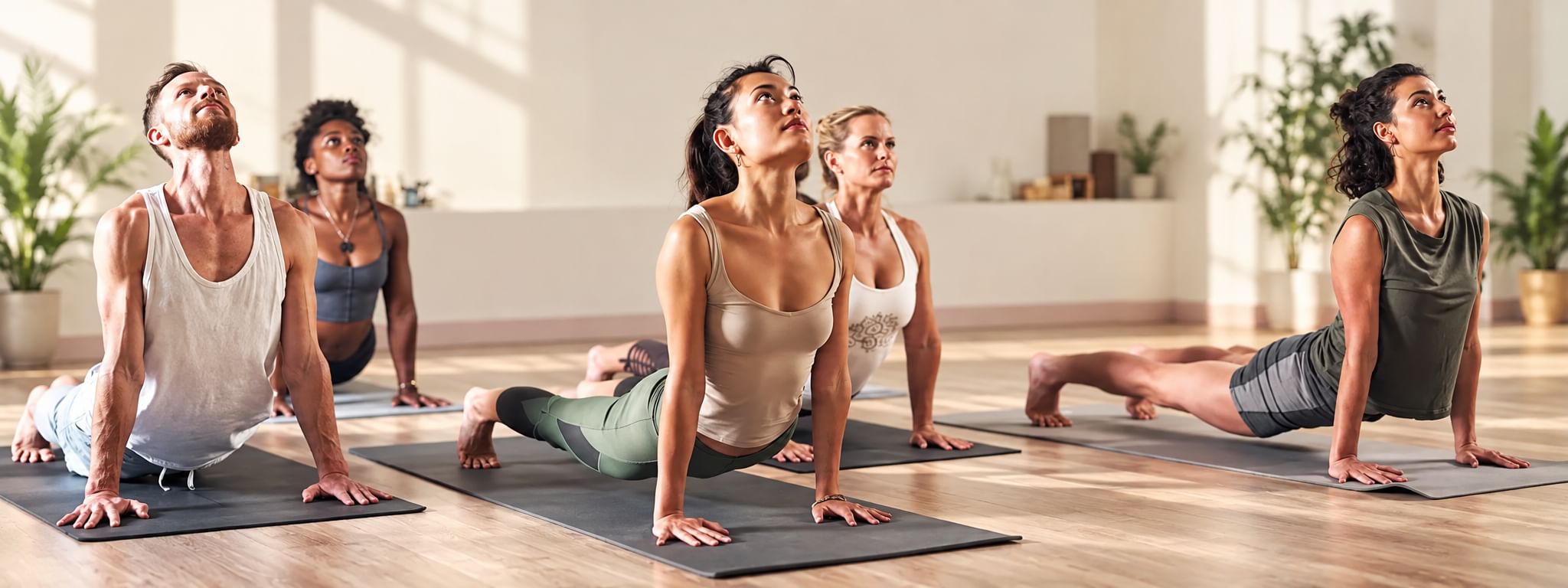
A breathable, fitted top is usually the easiest win. For mat Pilates, a soft T-shirt can work, but you’ll often be doing movements where your torso rolls and your top can creep up. A close-fitting tee, longline sports bra, or fitted vest tends to stay in place better.
If you prefer sleeves, choose something with a little stretch rather than a stiff cotton top. For reformer Pilates, especially with straps and springs involved, you’ll appreciate a top that doesn’t bunch under your shoulder blades when you lie on the carriage.
Avoid anything with bulky knots, long ties, or zips that could press into your back during floor work.
Leggings vs Shorts: The Practical Choice for Most Classes
Leggings are the default for a reason. They keep you warm at the start, they don’t ride up as easily as shorts, and they protect your skin when you’re using equipment. High-waisted styles can feel more secure during rolling exercises, and they tend to stay put when you’re moving from lying to standing.
Shorts can be fine for mat Pilates if you’re comfortable in them, but you may find they shift during side-lying work or anything involving straps. If you do go for shorts, a fitted cycle-short style is usually more Pilates-friendly than loose running shorts.
Fabric matters too. Look for something that’s squat-proof, breathable, and not so slippery that you feel like you’re sliding on the mat.
Sports Bras: Support Without Restriction
Pilates isn’t typically high impact, but you still want a bra that feels supportive and allows full breathing into your ribcage. Many people prefer medium support, especially for classes that include standing sequences or faster transitions.
A good test is this: can you take a deep breath without feeling squeezed, and can you move your arms overhead comfortably? If the answer is no, you’ll feel it during class.
For anyone doing reformer Pilates, comfort is everything because you’ll be lying on your back, front, and side. Smooth seams and a secure band make a noticeable difference.
Socks, Barefoot, or Trainers: What’s Actually Expected?
Most Pilates classes are done barefoot or in grip socks. Trainers are usually not needed and often not allowed, particularly in studios and reformer sessions, because shoes can damage equipment and reduce your ability to articulate through the feet.
Grip socks are a smart choice if you’re new, if your feet get cold, or if you want extra stability on the mat and equipment. They can also feel more hygienic in shared studio spaces. If you tend to sweat, bring a spare pair so you’re not driving home in damp socks.
If you’re unsure, check your studio’s guidance before your first class. Many specifically recommend grip socks for reformer Pilates.
Reformer Pilates Outfit Tips (So Nothing Snags or Slides)
Reformer Pilates adds moving parts: carriage, straps, footbar, and springs. Clothing that’s too loose can get caught, and anything with hard bits can dig in when you’re lying down.
Stick to streamlined pieces: fitted top, leggings, and either grip socks or bare feet. If you wear layers, choose something you can remove quickly and store neatly once you’re warm, because you don’t want to be constantly adjusting fabric mid-session.
If you want a quick primer on how equipment sessions differ from mat work, this guide to reformer Pilates is worth a look.
Layers for the Walk There (and the Cool-Down After)
Studios can feel chilly at the start, and you might cool down fast after class, especially in autumn and winter. A light layer you can peel off easily is ideal - think a zip-up hoodie or a soft wrap you can remove without messing up your hair or getting tangled.
Try to avoid thick jumpers that make you sweat before you’ve even started. Pilates isn’t usually about dripping with sweat, but you’ll feel more comfortable if your body temperature stays steady.
Hair, Jewellery, and the Small Details People Forget
The little things can be surprisingly distracting in Pilates.
If you have longer hair, tie it back securely so it doesn’t whip into your face during roll-downs or get trapped under your shoulders. Jewellery is best kept minimal - rings can press into your palms during planks, and long necklaces can swing or get caught.
If you wear glasses, consider whether you’re comfortable lying on your side or face down with them. Some people bring a case and only put them on when needed for instructions.
What to Bring So You Feel Confident, Not Flustered
You don’t need a huge kit bag, but arriving prepared helps you relax and enjoy the class. Bring water, a small towel if you tend to sweat, and grip socks if your studio recommends them. Some studios provide mats and props, others expect you to bring your own.
If you’re not sure what to expect in your first session, you might find it helpful to read Pilates for beginners before you go.
Common Outfit Mistakes That Can Ruin the Session
Baggy joggers and oversized tops are the biggest culprits. They can hide your form and get in the way of movements, especially when your instructor is trying to help you adjust alignment. Very low-rise leggings can also be annoying, because rolling exercises tend to make waistbands shift.
Another common issue is overly compressive clothing that limits breathing. Pilates cues often focus on ribcage movement, controlled exhalations, and deep core engagement - you want your clothing to support that, not fight it.
The Simple Outfit Formula That Works for Almost Everyone
If you want an easy default that suits most studios and class styles, go with a fitted, breathable top, high-waisted leggings, and grip socks. Add a light layer for before and after class, and you’re set.
Once you’ve done a couple of sessions, you’ll quickly learn your personal preferences - maybe you like a longline bra, maybe you prefer cap sleeves, maybe you want thicker leggings for modesty. The key is choosing pieces that let you move without distraction so you can focus on control, technique, and feeling better with every class.