
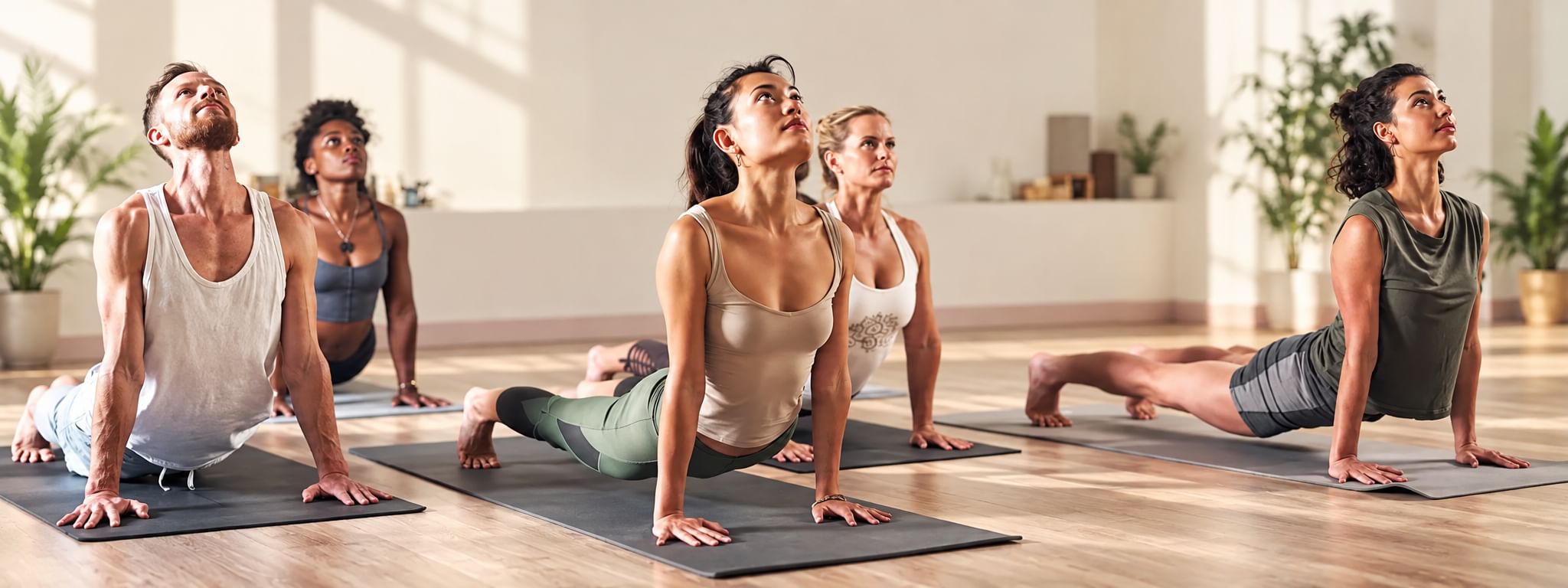
Is Pilates Good for Beginners?
Pilates is often seen as something you ‘graduate’ to after getting fit elsewhere, but it actually suits beginners extremely well. The method focuses on controlled movement, posture, breathing, and core strength - all the fundamentals that help you move better in everyday life. Because Pilates can be scaled up or down, you can start gently and still feel like you have done something worthwhile.
If you are new to exercise, returning after a break, or simply want a calmer way to build strength, Pilates is one of the friendliest places to begin.
What Pilates Really Is - and Why That Matters When You Are New
Pilates is a system of exercises designed to improve strength, stability, mobility, and body awareness. Instead of chasing big numbers or fast times, the goal is to move with control and intention. That matters for beginners because it shifts the focus from ‘keeping up’ to learning good movement patterns.
A typical beginner session includes steady, repeated movements that build deep core strength, encourage better alignment, and gently challenge flexibility. You will usually work your abdominals, glutes, hips, back, and shoulders in ways that support posture and reduce the strain many people feel from sitting, stress, or everyday stiffness.
The Biggest Beginner Benefit: Low Impact, High Reward
One of the best things about Pilates for beginners is that it is generally low impact. There is less jumping, pounding, and rapid direction change than you get in many cardio-heavy classes. That can make it easier on the joints, especially if you are carrying extra weight, managing niggles, or simply do not enjoy high-impact workouts.
Low impact does not mean low effort, though. Done properly, Pilates can feel deceptively challenging because you are working smaller stabilising muscles and learning control. You may not finish drenched in sweat, but you can still wake up the next day feeling that you have used muscles you forgot existed.
‘Do I Need to Be Flexible?’ The Myth That Stops People Starting
You do not need to be flexible to start Pilates. In fact, Pilates is often a great way to improve flexibility gradually because you are moving through controlled ranges of motion rather than forcing stretches.
Beginners often notice early improvements in everyday movement - reaching overhead, turning comfortably, getting up from a chair more smoothly, and feeling less tight through the hips and back. Those small wins tend to build confidence quickly, which is exactly what you want when you are trying something new.
How Pilates Helps Beginners Build a Stronger Core Without Crunches
When people hear ‘core’, they often think of endless sit-ups. Pilates core work is different. It trains the muscles that support your spine and pelvis, including deep abdominals and the muscles around your lower back and hips.
That is why Pilates is frequently recommended as a foundation for other exercise. A stronger core can improve your form when you walk, run, lift weights, play sport, or even just carry shopping. It can also make you more aware of posture, which many beginners find surprisingly helpful if they spend long hours at a desk.
If you want a deeper dive into core training basics, you might also like our guide to core exercises for beginners.
Will Pilates Help With Weight Loss? A Straightforward, Beginner-Friendly Truth
Pilates can support weight loss, but it is not usually the fastest route on its own if fat loss is your only goal. Pilates builds lean muscle, improves movement quality, and can increase daily activity by making your body feel better and more capable. Those are powerful, sustainable changes - they just work a little differently from high-intensity workouts.
If you combine Pilates with regular walking, sensible nutrition, and a routine you can actually stick to, it can be a very effective part of a weight loss plan. Many beginners also find Pilates reduces the ‘all or nothing’ mindset because it feels achievable even on lower-energy days.
For a realistic approach, see our overview of Pilates for weight loss.
Mat Pilates vs Reformer Pilates: Which Is Better When You Are Starting?
Both can be excellent for beginners, but they feel different.
Mat Pilates uses your body weight (and sometimes small equipment like bands or a soft ball). It is accessible and can be done at home with minimal kit. Reformer Pilates uses a machine with springs that add resistance and support, which can make certain movements easier to learn while also offering a clear progression path.
If you are unsure, a beginner often does well with whichever option makes them more likely to show up consistently. Mat is convenient. Reformer offers extra guidance through the equipment and can feel more structured.
If you are weighing them up, our comparison of Mat vs Reformer Pilates breaks it down in more detail.
What a Beginner Pilates Class Actually Feels Like
A beginner class is typically calm, cue-heavy, and technique-focused. Instructors will often remind you about breathing, rib position, pelvic alignment, and moving with control. Expect to repeat exercises and work on small adjustments - that is normal, and it is part of how you improve.
You might feel a gentle shake during certain holds or slow movements, especially around the core and thighs. That is not a sign you are ‘bad’ at Pilates - it is your stabilising muscles switching on. Many beginners find Pilates mentally engaging too, because paying attention to form keeps you present rather than rushing through reps.
Common Beginner Mistakes - and Simple Fixes That Make a Big Difference
Pilates rewards quality over quantity. The most common beginner mistake is pushing for bigger movements instead of cleaner ones. Smaller range, better control is usually the sweet spot.
Another frequent issue is holding your breath. Breath helps you maintain rhythm and control, and it can make exercises feel more manageable. If you ever feel lost, return to steady breathing and slow the movement down.
It is also easy to overwork the neck and shoulders when the core gets tired. A good instructor will offer modifications, but you can help yourself by relaxing the shoulders away from the ears and choosing an easier variation when form starts to slip.
How Often Should Beginners Do Pilates to See Results?
Beginners usually notice benefits with two sessions per week, especially in posture, core engagement, and general stiffness. If you can manage three sessions weekly, progress can feel quicker, but it is not essential.
Consistency matters more than intensity at the start. A shorter, regular routine is better than a big session you dread and never repeat. Even one good class weekly can make a difference if you stay with it and keep practising the basics.
Is Pilates Safe for Beginners With Back Pain or Injuries?
Pilates is often used to support rehabilitation and build strength in a controlled way, but safety depends on your individual situation. If you have persistent pain, a diagnosed condition, are pregnant, or are returning after injury, it is wise to speak to a qualified professional before starting. In a class setting, tell the instructor what is going on so they can offer modifications.
A key beginner rule: Pilates should feel like effort, not sharp pain. Mild muscle fatigue is normal. Pain that increases, radiates, or lingers is a sign to stop and get advice.
If you are starting at home, our guide to beginner Pilates at home can help you set up a safer, more structured routine.
The Best Way to Start Pilates (Without Feeling Overwhelmed)
The easiest entry point is a true beginner class or a beginner video series that explains the fundamentals. Wear something comfortable that you can move in, have a water bottle nearby, and use a mat that does not slip. Most importantly, give yourself permission to learn. Pilates is skill-based - it is meant to feel new at first.
Start small, focus on form, and aim for steady progress rather than perfection. With a few weeks of consistent practice, most beginners feel stronger through the middle, more mobile through the hips and shoulders, and more aware of how they hold themselves day to day. That combination is exactly why Pilates is so good for beginners - it meets you where you are and builds you up from there.